What 'auction-lot' actually means
Most coffee is bought by the container, against a spec sheet, at the lowest acceptable price. The best is bought the other way — at auction, by the lot. That distinction is the whole story.
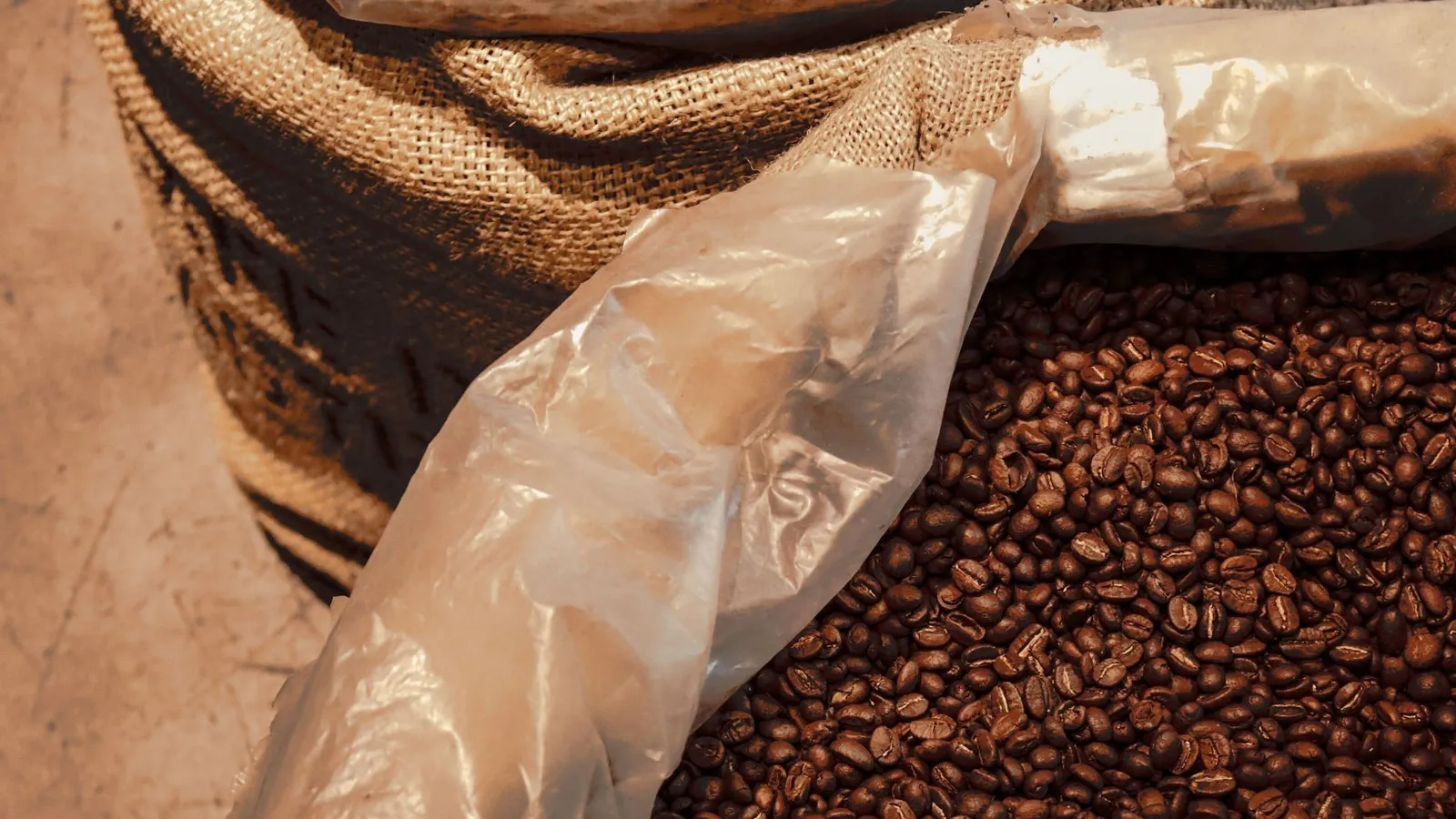
Most of the world’s coffee is bought the way oil is bought: by the container, against a spec sheet, at the lowest acceptable number. It works. It also explains why most coffee tastes like coffee — and very little else.
The coffee we serve is bought the other way. At auction. By the lot.
A lot is one place, one picking, one decision
A lot is a single, separated batch — one farm, often one variety, picked and processed in one narrow window, then deliberately kept apart from everything around it. It is set aside for one reason: someone tasted it, early, and decided it was worth not blending away.
When a lot is exceptional, it goes to auction. Buyers from across the world taste the same coffees on the same day and bid in the open. Price stops being a floor to push down and becomes a signal of how rare the cup actually is. The farmer who took the risk — the selective picking, the careful drying, the smaller yield — finally gets paid for the part that’s hard.
Why we pay for the hard part
Auction lots cost more because they are more: more labour per kilogram, more attention, more that can go wrong. What you taste in return isn’t intensity for its own sake. It’s clarity — a coffee that tastes of a specific place and a specific choice, instead of an average of everywhere.
That clarity is fragile. It survives the farm, the auction, the roast — and then most of it dies at the machine, in the ninety ordinary seconds where water meets ground coffee badly. Holding a rare lot to the same standard, cup after cup, in a box on a wall, with no barista watching — that is the part nobody had solved.
So we did. The auction is where the coffee earns its place. The thirty seconds at the end is where we earn ours.